Table of Contents

The Core Mechanics: How They Differ in Word Game Showdown
Wordle strips the puzzle down to its essence: you have six attempts to identify a five-letter word through process of elimination. Each guess provides color-coded feedback—green for correct placement, yellow for correct letters in wrong positions, gray for eliminated letters. It’s elegant, minimalist, and deliberately constrained. The word game showdown tilts immediately in Wordle’s favor for clarity and accessibility.
NYT Connections, by contrast, demands categorical thinking rather than lexical guessing. Players sort 16 words into four groups of four, where the connection might be thematic, linguistic, or punishingly obscure. There’s no six-guess safety net—one wrong grouping and you lose a life. The word game showdown reveals that Connections rewards pattern recognition and lateral thinking, while Wordle rewards systematic elimination.
This fundamental difference cascades through every aspect of gameplay. Wordle is vocabulary-focused. Connections is puzzle-architecture-focused. In terms of pure cognitive demand, the word game showdown shows Connections operating at a higher difficulty tier from day one.
Difficulty and Learning Curve: The Escalating Word Game Showdown
Wordle maintains remarkably consistent difficulty. The New York Times, since acquiring the game in 2026, has reportedly kept the word list stable and strategically tuned. You might get a lucky solve on day one, or a brutal 5-guess sweat on day 200—but the learning curve is gentle. Experienced players develop heuristics: start with consonant-heavy words, prioritize common vowels, understand letter frequency distributions.
The word game showdown shifts dramatically when examining Connections. Early puzzles feel reasonable. By week three, the difficulty ratchets up mercilessly. The New York Times deliberately bakes in trick answers—words that seem to belong in one category but secretly belong in another. A recent puzzle featured a “yellow” category where the actual connection wasn’t obvious until all four words were grouped together. That’s psychological warfare disguised as entertainment.
According to The New York Times Games, Connections difficulty is calibrated to frustrate approximately 30-40% of players on hard days. The word game showdown declares Connections the difficulty champion—it’s genuinely harder, and that matters to serious players.

Addiction Factor: Psychology Behind the Word Game Showdown
Wordle’s genius lies in its scarcity. One puzzle daily. That’s it. You finish in five minutes and return to your actual life. This deliberate limitation prevents addiction spirals while maximizing anticipation. The word game showdown reveals that Wordle’s constraint is actually its greatest feature—players crave the next day’s puzzle precisely because they can’t play unlimited rounds.
Connections employs different psychological hooks. The immediate penalty system (lose all four lives and you fail completely) triggers what behavioral economists call “loss aversion.” Missing one grouping isn’t just a setback—it feels like catastrophic failure. Players return compulsively, chasing redemption. The word game showdown shows Connections deliberately engineered for higher engagement, more replays, and longer session times.
Which is better? That depends on your values. Wordle respects your time. Connections demands it. In the word game showdown, Wordle wins for mental health compatibility, but Connections wins for raw engagement metrics.
Community and Shareability in the Word Game Showdown
Wordle’s share button is a cultural artifact. Those gray-yellow-green emoji grids became a 2026 internet phenomenon. Players could brag about performance without spoiling the answer. The word game showdown credits Wordle with democratizing puzzle culture and creating genuine viral momentum.
Connections’ shareability is more limited. The emoji grid reveals category colors but obscures the actual solutions through clever encoding. It’s less Instagram-friendly, less culturally penetrating. The word game showdown shows that Wordle captured cultural zeitgeist in ways Connections simply hasn’t replicated—yet.
However, among dedicated puzzle communities (Reddit’s r/NYTConnections, Discord servers, Twitter puzzle accounts), Connections sparks more discussion. Players debate the connections, argue about category logic, and crowdsource solutions. The word game showdown demonstrates that Wordle wins mass-market adoption while Connections wins enthusiast loyalty.
For more information, see Reuters.
The Verdict: Which Game Wins the Word Game Showdown
Here’s the provocative truth: NYT Connections is the superior puzzle, but Wordle is the superior game.
Connections demands genuine intellectual effort. It requires creative thinking, pattern recognition, and cultural knowledge. If you want a puzzle that respects your intelligence and challenges your assumptions, Connections obliterates Wordle. The word game showdown crowns Connections as the more sophisticated product.
But Wordle wins on execution, cultural impact, and sustainable engagement. Wordle’s elegant constraint—one puzzle daily—prevents burnout while maintaining suspense. The game’s difficulty curve is perfectly calibrated. Its shareability created a global phenomenon. Wordle respects players’ time while Connections demands it.
The word game showdown concludes that your choice depends on your puzzle philosophy. Choose Wordle if you value your mental health, your free time, and consistent difficulty. Choose Connections if you crave genuine intellectual challenge and don’t mind occasional frustration. Ideally, play both. They’re not competitors—they’re complementary experiences.
For context on how these games arrived, Entertainment coverage continues to evolve as puzzle games reshape digital leisure. Visit Scope Digest for more game analysis.
Explore more on Scope Digest and browse our Entertainment section.
The word game showdown has no universal winner. But it reveals that the future of casual gaming belongs to games that respect players’ time while maximizing intellectual engagement. Both Wordle and Connections understand this. The question isn’t which game is better—it’s which philosophy aligns with how you want to spend your time.
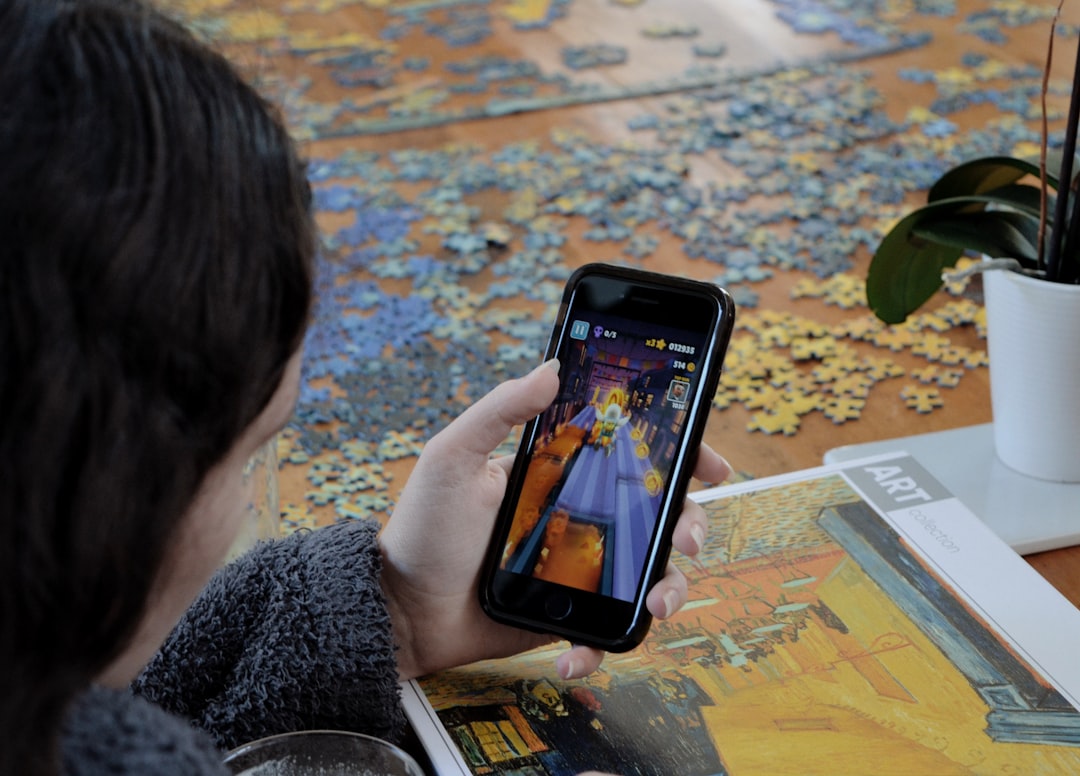
Photo by Elsa Tonkinwise on Unsplash