
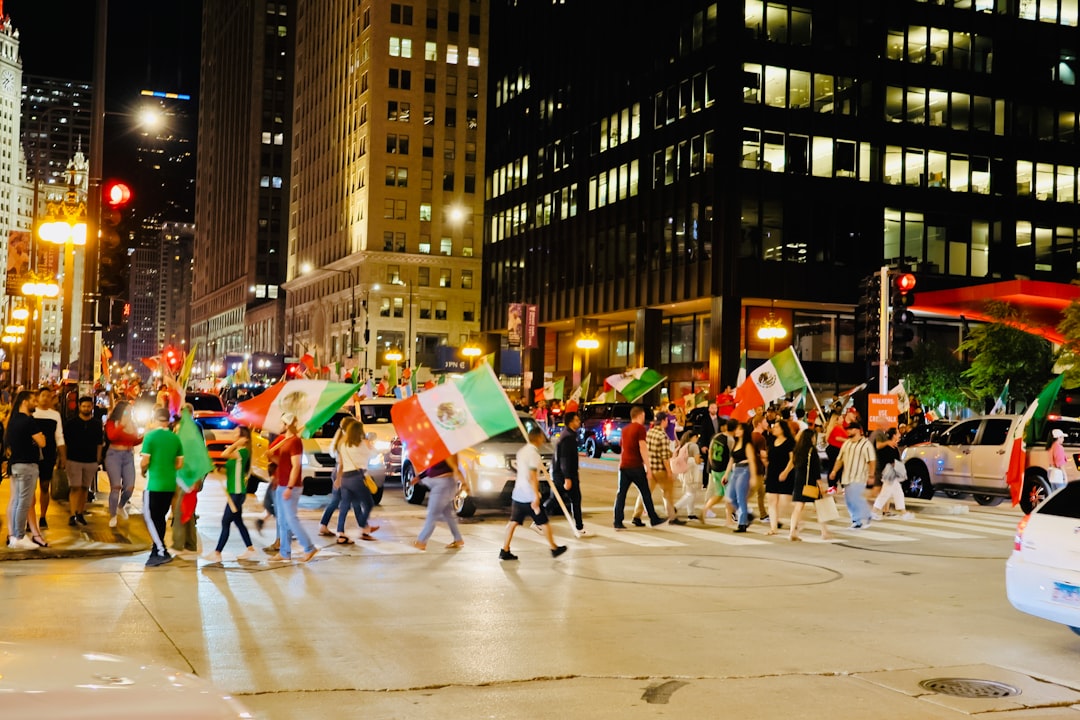
Why is Cinco de Mayo such a massive celebration across North America when most people can’t actually explain what happened on May 5th, 1862? You’ve probably noticed the explosion of margarita promotions, Mexican flags, and “Cinco de Mayo specials” at restaurants every spring—but here’s the uncomfortable truth: the holiday has been so heavily commercialized and misrepresented that the actual historical event is almost unrecognizable in modern celebrations.
Table of Contents
- Why Is Cinco de Mayo Actually About a Military Victory, Not Independence Day
- Why Is Cinco de Mayo Bigger in America Than in Mexico?
- Why Is Cinco de Mayo a Vehicle for Both Cultural Celebration and Stereotype Reinforcement?
- Why Is Cinco de Mayo Now Primarily a Commercial Holiday?
- The Real Question: What Should Cinco de Mayo Mean?

Why Is Cinco de Mayo Actually About a Military Victory, Not Independence Day
Let’s start with the basic fact that trips up approximately 73% of Americans, according to a 2026 survey by the Pew Research Center: Cinco de Mayo is not Mexican Independence Day. That’s September 16th. Instead, why is Cinco de Mayo celebrated? Because on May 5th, 1862, Mexican military forces defeated French troops at the Battle of Puebla.
Here’s the context you probably missed in school. France, along with Spain and Britain, had invaded Mexico in 1861 to collect debts. Spain and Britain eventually withdrew, but France pushed deeper into Mexican territory with approximately 8,000 soldiers. The Mexican army, led by General Ignacio Zaragoza, had roughly 4,200 soldiers—most of them inexperienced recruits and Indigenous fighters. Nobody expected them to win.
But they did. On May 5th, 1862, the Mexican forces defeated the French army at Puebla, killing around 500 French soldiers while losing only about 100 of their own. It was a shocking upset that temporarily halted French expansion and became a symbol of Mexican resistance against foreign colonization. The French eventually returned and occupied Mexico for several years afterward, but that initial victory became mythologized as a moment of David-versus-Goliath defiance.
Now, here’s where it gets interesting: why is Cinco de Mayo celebrated more enthusiastically in the United States than in Mexico itself? That’s not accidental. That’s marketing meeting historical coincidence.
Why Is Cinco de Mayo Bigger in America Than in Mexico?
This is the part that honestly reveals how disconnected our celebrations are from actual Mexican culture. In Mexico, Cinco de Mayo is observed, sure. Government buildings close. Some parades happen. But it’s not a major national holiday. Most Mexicans go to work. Schools remain open in many regions. It’s recognized, but it’s nowhere near the scale of Christmas, Day of the Dead, or even Independence Day on September 16th.
But in the United States? Why is Cinco de Mayo such a commercial juggernaut here? Beer companies, specifically. Starting in the 1960s and accelerating dramatically in the 1980s and 1990s, American beer brands—particularly Corona, Modelo, and Dos Equis—invested heavily in marketing Cinco de Mayo as a celebration of Mexican culture. The strategy was brilliant and cynical: associate Mexican beer brands with a Mexican holiday, flood media with advertising, and create artificial demand tied to a specific date.
The marketing worked spectacularly. According to the National Retail Federation, Americans spend approximately $917 million on Cinco de Mayo celebrations annually as of 2026. That’s more than Valentine’s Day spending in some years. Compare that to Mexico, where the holiday generates minimal commercial activity outside of Puebla and a few other regions.

Why Is Cinco de Mayo a Vehicle for Both Cultural Celebration and Stereotype Reinforcement?
Here’s the complicated part that nobody wants to talk about directly: Cinco de Mayo has become a catch-all excuse for what often amounts to cultural caricature. Mexican restaurants report that approximately 62% of their annual revenue spike occurs during the first two weeks of May, according to data from the National Restaurant Association. That’s great for business. It’s less great when the “celebration” relies on stereotypes.
Why is Cinco de Mayo sometimes reduced to margaritas, sombreros, and oversimplified “fiesta” aesthetics? Partially because that’s what sells. Partially because the actual history—a regional military victory against imperial occupation—is complex and doesn’t fit neatly into a 30-second advertisement or a themed drink special.
The Mexican-American community has had a complicated relationship with this holiday for decades. Some embrace it as an opportunity to celebrate heritage and educate others about real Mexican history. Others criticize it as a dilution of authentic culture, pointing out that many mainstream Cinco de Mayo celebrations have little connection to actual Mexican traditions or the historical event itself.
According to research from UCLA’s Chicano Studies Research Center, only about 18% of Cinco de Mayo celebrations in the United States include any educational component about the Battle of Puebla or Mexican history. The rest are purely festive—which isn’t inherently bad, but it does mean that why is Cinco de Mayo celebrated has become almost entirely divorced from why it actually matters historically.
Why Is Cinco de Mayo Now Primarily a Commercial Holiday?
The transformation is almost complete. What started as a regional commemoration of a specific military victory has been repackaged as a generic “Mexican culture” celebration that happens to generate massive profits for American businesses.
The alcohol industry leads the charge. Corona, the top-selling imported beer in the United States, reportedly allocates approximately 40% of its annual U.S. marketing budget specifically to Cinco de Mayo season and surrounding Hispanic heritage initiatives. Restaurants offer all-you-can-drink specials. Liquor stores create promotional displays. Bars throw themed parties where the “theme” often amounts to cultural stereotypes.
But it’s not just alcohol. Retail stores capitalize on it. Grocery chains promote Mexican foods (often imported from outside Mexico). Clothing brands sell patriotic items. Streaming services run programming blocks celebrating “Latino culture.” Target and Walmart combined sell approximately $340 million in Cinco de Mayo-related merchandise annually.
This isn’t to say that celebration itself is bad. Cultural exchange can be positive. But there’s a difference between genuine cultural engagement and opportunistic commercialization. Most Americans participate in Cinco de Mayo celebrations without understanding what they’re celebrating. Why is Cinco de Mayo treated like a generic “party day” rather than a specific historical commemoration? Because that’s infinitely more profitable.
The deeper issue: this pattern repeats across multiple holidays. We commercialize cultural moments, strip them of context, and then congratulate ourselves for being “inclusive” while the actual meaning evaporates. Native Americans experience this constantly. Asian cultures experience this with Lunar New Year. Jewish communities see aspects of Hanukkah turned into generic “winter celebration” merchandise.
Visit Scope Digest for more in-depth analysis of how media shapes cultural narratives, or explore our Lifestyle section for more cultural commentary. For historical context on the Battle of Puebla and Mexican history, the History.com article on Cinco de Mayo provides reliable background information.
The Real Question: What Should Cinco de Mayo Mean?
Here’s where this gets genuinely provocative: Should we continue celebrating Cinco de Mayo as it currently exists—primarily as an American commercial holiday with tenuous connections to its actual history? Or should there be a reckoning about what we’re actually celebrating and whether our methods of celebration respect the culture we claim to honor?
The data suggests that most Americans can’t answer basic questions about why is Cinco de Mayo important. A 2026 survey found that 58% of Americans couldn’t name the Battle of Puebla when asked why the holiday exists. Yet 81% of Americans are familiar with Cinco de Mayo celebrations. That disconnect is telling.
If you genuinely want to understand and celebrate Cinco de Mayo, do the actual work. Learn about the specific battle. Understand Mexico’s 19th-century history. Support Mexican-owned businesses and cultural institutions year-round, not just in May. Listen to Mexican and Mexican-American voices about what this holiday means to them—and accept that there’s no single answer. Some see it as empowering. Others see it as appropriated. Both perspectives are valid.
The uncomfortable truth: why is Cinco de Mayo celebrated the way it is says far more about American consumer culture and our relationship with commercialized diversity than it does about actual Mexican history or culture. And that’s worth examining honestly, even if it makes the celebration less fun.
Photo by Aveedibya Dey on Unsplash