
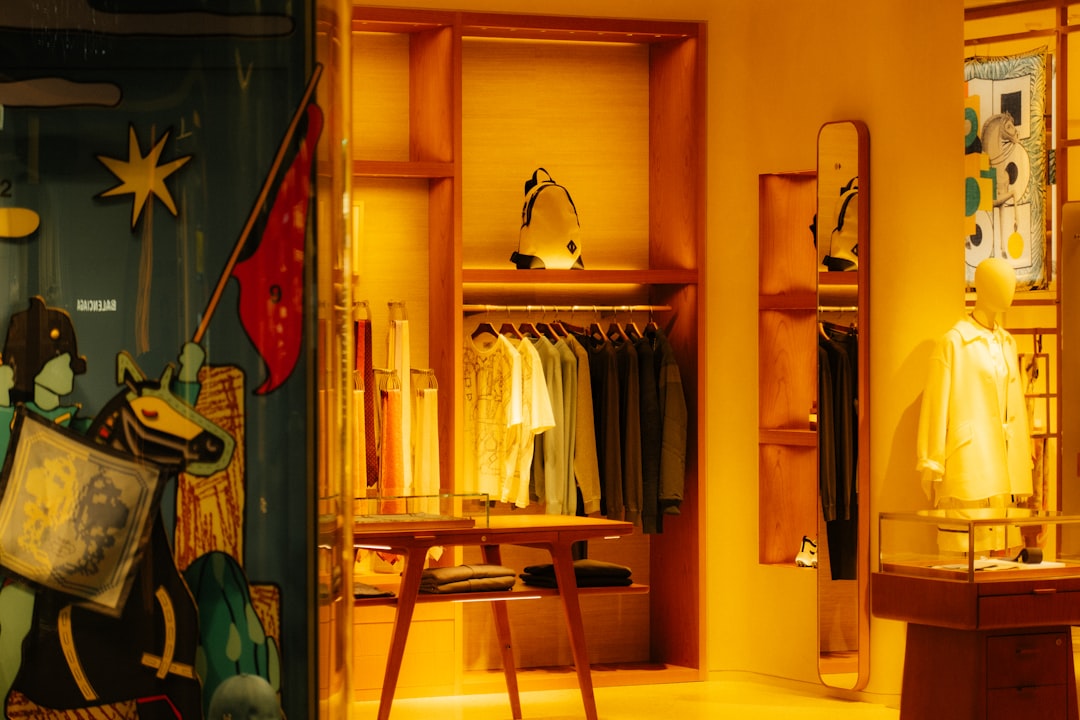
Victoria Beckham vs District Line: Which Fashion Empire Battle Will Define British Style?
The fashion empire battle between Victoria Beckham and District Line represents one of the most compelling rivalries in contemporary British design. Victoria Beckham, the former Spice Girl turned luxury powerhouse, commands a multi-million-pound operation with global reach. District Line, the emerging design collective, challenges traditional fashion hierarchies with democratic, accessible alternatives. This fashion empire battle isn’t about hostile competition—it’s about fundamentally different visions of how clothing should be created, priced, and consumed.
Table of Contents

The Fashion Empire Battle: Core Philosophy
Victoria Beckham’s fashion empire battle strategy centers on uncompromising luxury. Her brand allegedly represents meticulous craftsmanship, premium fabrics, and the prestige of designer positioning. The fashion empire battle vision emphasizes exclusivity—limited production runs, high price points, and celebrity endorsement. Beckham reportedly built her operation on the foundation of personal style authority, translating her global fame into sartorial credibility. Her fashion empire battle approach demands that consumers pay premium prices for verified quality and designer pedigree.
District Line, conversely, positions itself within the fashion empire battle through radical democratization. This collective reportedly challenges the notion that quality design requires luxury pricing. Their fashion empire battle philosophy suggests that style, innovation, and craftsmanship should be accessible to ordinary consumers. According to fashion industry observers, District Line’s fashion empire battle strategy leverages contemporary production methods and supply chain optimization to eliminate unnecessary markup. They argue the fashion empire battle shouldn’t require sacrifice of quality or ethics.
Price Points and Accessibility in Fashion Empire Battle
The pricing strategy within this fashion empire battle reveals the fundamental divide. Victoria Beckham’s fashion empire battle positioning typically places basic pieces at £300-500, with premium items reaching £2,000+. This fashion empire battle approach targets high-net-worth individuals and established luxury consumers. The fashion empire battle strategy assumes customers will pay premium prices for heritage, design authority, and exclusive access.
District Line’s fashion empire battle approach reportedly offers comparable quality at 40-60% lower price points. Their fashion empire battle strategy suggests consumers at £100-300 price ranges can access thoughtfully designed, ethically produced clothing. This fashion empire battle positioning has reportedly attracted younger, digitally-native audiences skeptical of traditional luxury markers. The fashion empire battle economics rely on volume and direct-to-consumer efficiency rather than brand prestige taxation.

Brand Heritage and Fashion Empire Battle Credibility
Victoria Beckham brings undeniable cultural authority to this fashion empire battle. Her personal transformation from pop icon to design authority carries significant weight. The fashion empire battle benefits from her decades-long style evolution and global recognition. According to industry analysis, this fashion empire battle advantage translates directly into media coverage, celebrity adoption, and institutional legitimacy. Fashion editors, reportedly, grant her automatic credibility in ways they wouldn’t grant unknown designers.
District Line’s fashion empire battle strategy deliberately rejects this hierarchy. Rather than claiming individual design genius, their fashion empire battle approach emphasizes collective intelligence and community input. The fashion empire battle positioning suggests that democratized design processes produce superior results to centralized creative authority. This fashion empire battle strategy appeals to consumers experiencing designer-fatigue and seeking authenticity beyond celebrity proximity.
Market Positioning in the Fashion Empire Battle
The fashion empire battle divisions extend to retail strategy and audience psychology. Victoria Beckham’s fashion empire battle operates through premium department stores, select boutiques, and her own flagship locations. The fashion empire battle distribution reinforces exclusivity messaging. Her fashion empire battle strategy treats retail as experience architecture, not mere transaction facilitation.
District Line’s fashion empire battle approach utilizes primarily digital channels and selective independent retailers. The fashion empire battle strategy emphasizes direct consumer relationships and transparency. According to BBC News, emerging fashion brands increasingly challenge traditional luxury distribution. This fashion empire battle trend suggests that consumer expectations are shifting toward accessibility and authenticity. For more analysis on design innovation trends, visit Fashion Category at Scope Digest.
For more information, see Reuters.
The Verdict: Who Wins the Fashion Empire Battle?
The fashion empire battle doesn’t conclude with a definitive winner—instead, it reveals market fragmentation. Victoria Beckham’s fashion empire battle dominates the luxury segment, attracting affluent consumers seeking established design authority and premium positioning. Her fashion empire battle strategy has proven commercially successful, with reportedly profitable operations and sustained media presence.
However, the fashion empire battle’s broader momentum shifts toward District Line’s model. Younger consumers increasingly prioritize value, transparency, and ethical production over celebrity association. The fashion empire battle data suggests that accessible luxury—thoughtful design at moderate prices—represents future industry direction.
Explore more on Scope Digest and browse our Business section.
The honest assessment: Victoria Beckham wins the traditional fashion empire battle for prestige and profitability. District Line wins the ideological fashion empire battle about what design should represent. The fashion empire battle ultimately reveals that British fashion thrives through diversity—room exists for both premium heritage brands and democratic design collectives. The question isn’t which fashion empire battle contestant dominates, but rather which vision increasingly defines consumer behavior. Early indicators suggest District Line’s fashion empire battle philosophy resonates with demographic futurity, while Beckham maintains established luxury dominance. This fashion empire battle represents not competition for identical market share, but rather competition for different consumer values—and both are winning their respective constituencies.
Photo by atelierbyvineeth … on Unsplash